Understanding Mahjong: A Deep Dive into the Classic Game
Mahjong is more than just a game; it is a cultural phenomenon that has captivated players for generations across the globe. This ancient game, which originates from China, blends skill, strategy, and calculation. Its enduring popularity speaks volumes about its strategic depth and engaging gameplay. In this comprehensive guide, we will explore Mahjong in detail, including its origins, rules, and strategies that make it so intriguing.
The Origins of Mahjong
The exact origins of Mahjong are somewhat shrouded in mystery, but it is widely believed to have developed during the Qing Dynasty in China. Some historians suggest that the game was inspired by a card game, while others believe it has connections to ancient Chinese dominoes. Regardless of its genesis, Mahjong truly began to gain widespread popularity in the early 20th century, eventually spreading to countries like Japan, South Korea, and the United States.
The Structure of the Game
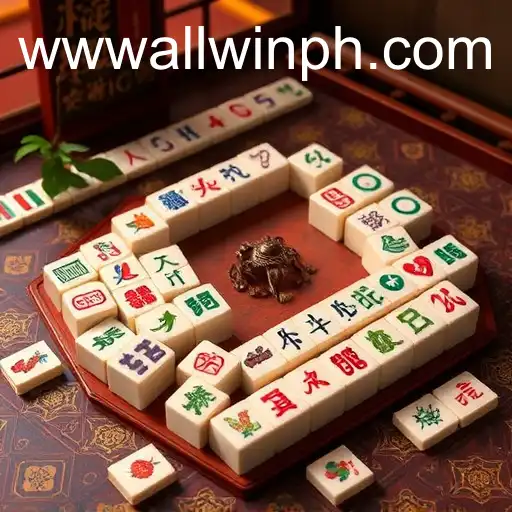
A standard Mahjong set consists of 144 tiles, with each tile adorned with a unique symbol. These tiles are divided into several suits: Bamboos, Dots, and Characters, each ranging from numbers one to nine. Additionally, there are Honor tiles which include Winds (East, South, West, North) and Dragons (Red, Green, White). Depending on regional variations, there may also be additional Flowers and Seasons tiles, enriching the game further.
Typically, Mahjong is played by four players, making it a social and often competitive game. Each player begins the game with 13 tiles, and the objective is to form a complete hand using a combination of four sets and a pair, known as a winning hand.
The Rules of Mahjong
Navigating the rules of Mahjong can be daunting for newcomers, primarily because several versions of the game exist, each with its unique set of regulations. Regardless of the variation, however, the fundamental goal remains consistent: to be the first player to assemble a complete Mahjong hand according to the specific version being played.
The gameplay typically starts with the roll of the dice to determine the dealer (also known as the East wind). Players then take turns drawing and discarding tiles until one player declares "Mahjong" by completing their hand. Players may "pung" — taking a tile from another player's discard pile to complete a triplet, or "kong" — using a tile to form a quadruplet. Mahjong hands include various patterns which score differently based on complexity and rarity.
Strategies for Winning at Mahjong
While Mahjong heavily involves luck, it is not devoid of strategic elements. Successful players rely on careful planning, keen observation, and mathematical prowess to increase their chances of winning. Here are some strategies for aspiring Mahjong champions:
Observational Skills
Skilled players pay close attention to the tiles discarded by their opponents. This provides valuable insights into which tiles remain in play and can guide decisions on which tiles to discard or retain.
Flexibility
In Mahjong, adaptability is crucial. Players must be willing to alter their strategy based on the evolving game state. Holding onto a rigid plan without considering developing opportunities can lead to defeat.
Tile Valuation
Understanding the value of tiles based on the current board state is essential. Some tiles are inherently more advantageous due to their potential to complete multiple combinations. Recognizing these tiles' strategic importance can be pivotal.
Bluffing
While not as prevalent as in poker, bluffing in Mahjong involves discarding tiles that suggest players' hands differ from their actual states. This can mislead opponents and provide strategic advantages.
Mahjong and the Modern Era
Today, Mahjong has transcended cultural barriers, becoming a staple in both casual and competitive gaming circles worldwide. Events and tournaments, like the World Mahjong Championship, have further cemented its status as a revered strategy game. Moreover, the advent of digital gaming has allowed Mahjong to reach audiences previously untapped. Mahjong apps and online platforms provide unprecedented access, enabling enthusiasts across the globe to connect and share their passion for the game.
The global Mahjong community continues to grow, united by an appreciation for the game’s unique blend of chance and skill. Whether played for leisure or competition, Mahjong’s intricate design and strategic depth ensure its timeless appeal remains undiminished.